Reduce
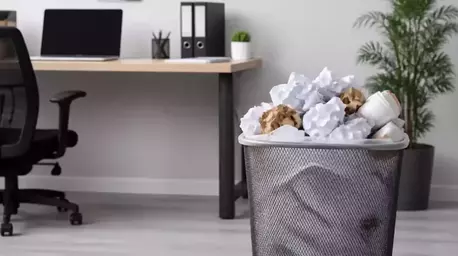
Focus on minimizing waste at the source by opting for reusable products and planning purchases. This can lead to less clutter and lower disposal costs.
What if I told you that by simply changing a few habits, you could significantly reduce the waste that ends up in landfills? Embracing sustainable practices not only benefits the environment but also enhances your lifestyle. Discover the essential strategies you can implement today to make a positive impact!
Understanding the key steps in recycling effectively can help reduce landfill waste. Below are some essential practices compared side by side.
Focus on minimizing waste at the source by opting for reusable products and planning purchases. This can lead to less clutter and lower disposal costs.
Find ways to use items multiple times instead of discarding them. This can include donating or selling items that are still in good condition.
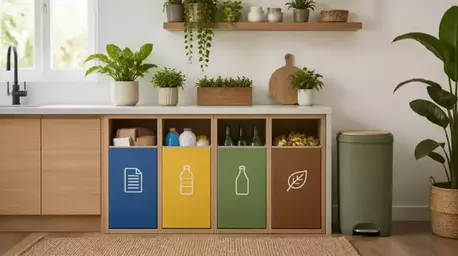
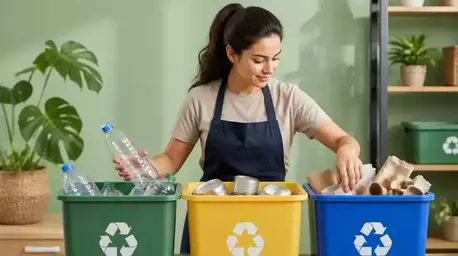
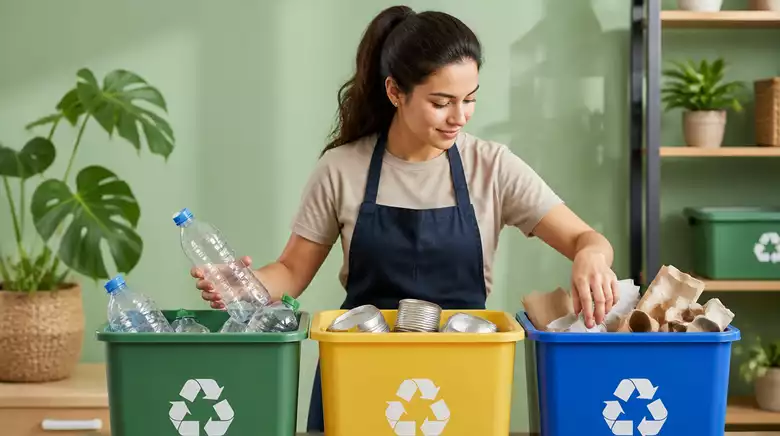
Ensure proper sorting of materials and be aware of local recycling guidelines to prevent contamination of recycling streams.
Transform organic waste into valuable compost. This practice not only reduces waste but also enriches the soil.
We all know how important it is to take care of our planet, but have you thought about the strategies you can use to recycle more and reduce landfill waste? At Sydney Junk Pros, we believe that every small effort counts, especially when it comes to embracing sustainable practices. By understanding how to prioritize waste reduction, we can make a significant difference in our communities. Let’s dive into some essential strategies that everyone can adopt!
The waste hierarchy is a helpful tool that emphasizes the order in which we should manage waste. It encourages us to first reduce our waste, then reuse items whenever possible, and finally, recycle what we cannot use. By focusing on reduction, we minimize consumption and, in turn, the amount of waste we generate. This approach not only helps the environment but also saves us money! For more information on effective waste management, check out our guide on choosing junk removal methods.
When we prioritize reducing waste, we can reap several benefits:
Before we even think about recycling, it’s crucial to take steps to reduce waste at the source. Here are some practical tips to get you started:
By making conscious decisions about what we buy and use, we can significantly cut down on the waste that ends up in landfills. As someone passionate about environmental advocacy, I often encourage families, landlords, and businesses in Sydney to embrace these practices. Think about how much space we can free up just by changing our habits!
Recycling correctly is a vital step in reducing landfill waste. Understanding local recycling rules is essential, as they can differ from area to area. Here are some guidelines to help you recycle effectively:
As I work with Sydney Junk Pros, I’ve noticed that many people are unaware of the specific items that can be recycled. Taking the time to educate ourselves ensures that we’re doing our part and not inadvertently contaminating recycling streams. It’s all about making informed choices for a cleaner environment! You can learn more about local recycling laws in Sydney to stay informed.
Even the most conscientious recyclers can make mistakes! Here are some common errors to watch out for:
By being aware of these pitfalls, we can improve our recycling habits and contribute to a healthier planet. At Sydney Junk Pros, we emphasize proper sorting techniques to ensure everything goes where it belongs!
Composting is an excellent way to transform organic waste into valuable resources. By composting food scraps and garden waste, we not only divert materials from landfills but also create nutrient-rich soil for gardening and landscaping. It’s a win-win situation!
Some of the benefits of composting include:
If you're new to composting, don't worry! Getting started is easier than you might think. Here are a few tips:
By composting at home, you’ll be actively contributing to waste reduction. Plus, it can be a fun family project that teaches kids about sustainability!
Zero-waste living is all about minimizing waste to the greatest extent possible. Both households and businesses can implement strategies like waste audits and source separation to achieve this goal. Not only does it help the environment, but it can also foster a culture of sustainability.
To help you get started, consider these zero-waste principles:
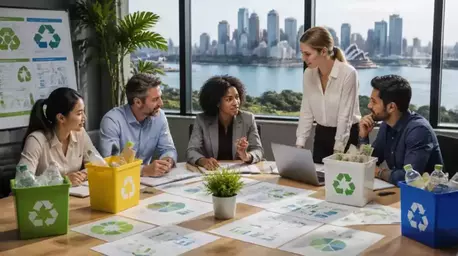
For businesses looking to take their sustainability efforts to the next level, conducting waste audits can be incredibly valuable. These audits help identify areas where waste can be reduced, allowing companies to implement effective strategies. Certification can also highlight a company's commitment to sustainability.
Upcycling is another fantastic way to reduce waste creatively. By transforming discarded items into something new, we can extend their life cycle and keep them out of landfills. Examples of upcycled items include:
This practice not only reduces waste but also inspires creativity and innovation. It’s a great way to rethink how we use our resources!
E-waste is a significant contributor to landfill waste, and it’s important to dispose of electronics correctly. Many components can be recycled, reducing harmful effects on the environment. Be sure to:
Engaging in local community initiatives can enhance our recycling efforts. Many communities offer programs that focus on sustainability and provide resources for residents to learn and participate. Some ideas include:
By working together, we can make a more significant impact on reducing landfill waste in Sydney. Let’s embrace these strategies and create a cleaner, greener environment for all!
Here's a brief recap of the key points discussed so far:
Here are some common questions about recycling and waste reduction:
Knowing the specific recycling guidelines in your area can make a huge difference in your waste management efforts! Each region has different rules about what can and cannot be recycled, and being aware of these can help you avoid mistakes. To get started, check your local council's website for detailed information on recycling practices.
Additionally, communities often provide resources like pamphlets or online tools that outline acceptable materials. Finding local recycling centers can also be beneficial; many places offer special drop-off days for hard-to-recycle items, so keep an eye out for those events!
To streamline your recycling efforts, consider using checklists and other tools! These can serve as handy reminders of what can be recycled and how to sort your waste correctly. At Sydney Junk Pros, we often recommend creating a personalized waste management checklist to keep you organized.
For those looking to dive deeper into landfill reduction, utilizing frameworks can provide a structured approach. Downloadable resources are available online, offering templates and guidelines tailored to both households and businesses. If you're interested in reducing your environmental impact, explore our tips on recycling to reduce landfill waste.
Tracking your waste reduction progress is key to staying motivated! By measuring how much waste you divert from landfills, you can see the impact of your efforts. Both individuals and businesses can use metrics such as weight or volume of materials recycled to gauge success.
Consider setting benchmarks, too, such as aiming to reduce waste by a certain percentage each year. This not only helps you stay accountable but also demonstrates your commitment to sustainability.
Education plays a vital role in promoting sustainable practices. When communities understand the importance of recycling and waste reduction, they are more likely to participate actively. This is where initiatives like workshops and community clean-up events come into play!
At Sydney Junk Pros, we believe in the power of shared knowledge. Engaging with local schools, businesses, and organizations can create a ripple effect, inspiring more residents to adopt eco-friendly habits. Let’s work together to educate and empower our community!
Your engagement in local environmental programs can make a significant difference! Participating in community initiatives not only helps you recycle more effectively but also fosters a sense of togetherness in striving for a cleaner environment.
Check your local council or community boards for upcoming events. Whether it's a recycling drive or an educational seminar, your involvement can inspire others to join in.
Public awareness campaigns are crucial for instilling a culture of recycling and waste reduction. These campaigns help spread knowledge about sustainable practices and encourage participation from everyone in the community.
At Sydney Junk Pros, we actively promote awareness through our social media platforms and local outreach. Sharing tips, resources, and success stories can motivate others to take action. For more insights on how we help, check out our guide on Sydney rubbish removal service insights.
As we wrap up our discussion, remember that every small action counts towards a larger goal. By being informed about local recycling efforts, utilizing checklists, and engaging in community programs, we can all contribute to reducing landfill waste.
Let’s prioritize eco-friendly practices in our daily lives and encourage others to do the same! Together, we can create a cleaner, greener Sydney.
Are you ready to take the first step? Choose one strategy from this article and implement it today! Share your progress with friends and family. At Sydney Junk Pros, we’d love to hear your success stories and support you in your waste reduction journey! If you're looking for professional assistance, consider our affordable rubbish removal in Sydney options.
Here is a quick recap of the important points discussed in the article:
Clara Thorne is an environmental advocate and waste management expert with over a decade of experience in the rubbish removal industry. She is dedicated to helping families, landlords, and businesses in Sydney maintain clean and sustainable spaces through efficient junk disposal practices. Clara champions responsible recycling and is committed to promoting eco-friendly cleanouts, ensuring a cleaner, greener community for all.
At Sydney Junk Pros, we are committed to providing eco-friendly rubbish removal services that empower families, landlords, and businesses to maintain clean, sustainable spaces. Our mission is to ensure efficient cleanouts while prioritizing environmental responsibility.
123 Eco Lane, Sydney