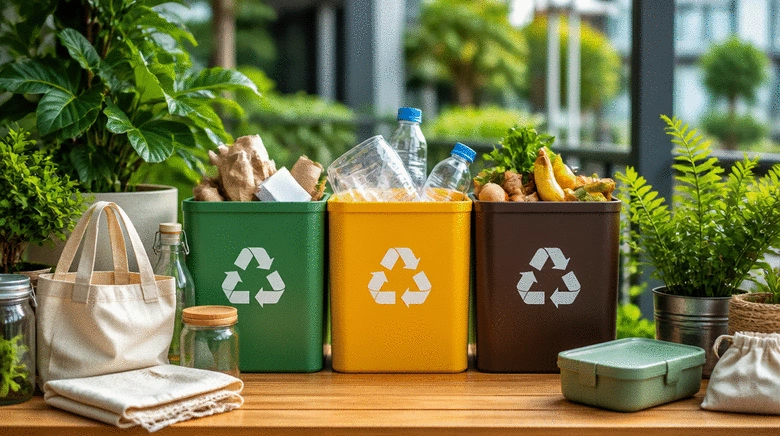
Total Waste Generation
In Australia, around 67 million tons of waste are generated each year.
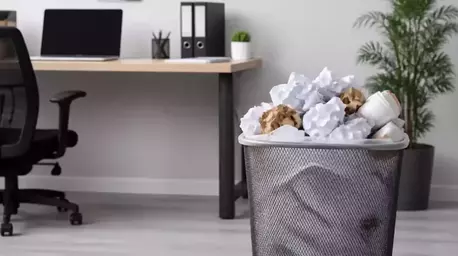
What if the items you throw away every day could be transformed into new products instead of polluting our landfills? Understanding landfill waste and embracing recycling is crucial for creating a cleaner, more sustainable future.
Understanding the impact of landfill waste and the need for effective recycling strategies is crucial. The following statistics highlight key areas of concern. For more insights on managing different types of waste, consider exploring various junk removal methods.
In Australia, around 67 million tons of waste are generated each year.
Only about 37% of this waste is recycled, leaving a large portion destined for landfills.
Households contribute significantly to landfill waste, with about 30% of kitchen waste going to landfills.
Nearly 60% of what goes into landfills can be recycled or composted!
Landfill waste is an increasingly pressing issue for our planet. As a junk removal expert at Sydney Junk Pros, I often see the staggering amounts of waste generated daily. To truly understand landfill waste, we must look at what it is and how it affects our environment. It includes everything from household garbage to construction debris, and the impact on our ecosystems can be severe.
When waste ends up in landfills, it not only takes up space but also leads to the production of harmful gases, such as methane. These gases contribute to climate change and pose health risks to surrounding communities. It's crucial to recognize that every piece of rubbish we throw away has broader implications. So, how can we work together to reduce landfill waste? Let’s explore some practical steps!
Landfill waste is any material discarded to a landfill site, where it is buried and left to decompose. Unfortunately, this process can take years, if not decades, for many items, leading to significant environmental consequences. It's important to be aware of the statistics surrounding this issue; for instance, nearly 60% of what goes into landfills can be recycled or composted!
Moreover, the effects of landfill waste extend beyond just what we can see. Landfills can contaminate soil and groundwater, harming local wildlife and plants. As an advocate for eco-friendly practices, I believe that understanding these impacts can motivate us to change our disposal habits. Every small effort helps! For those looking to make a difference, learning about effective garden waste recycling tips can be a great start.
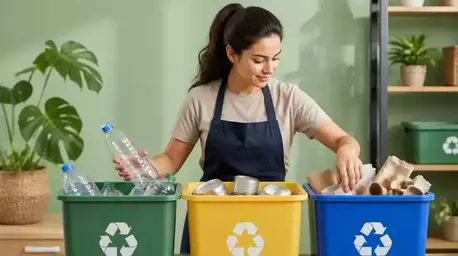
As an advocate for sustainable practices, I believe that one of the most effective ways to reduce landfill waste is through recycling. By reusing materials and transforming waste into new products, we can significantly lessen our environmental impact. It's exciting to think about the potential for a cleaner, greener future!
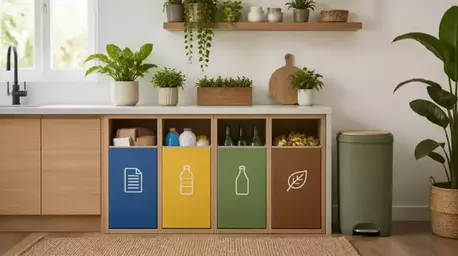
In Sydney, we have numerous opportunities to recycle different materials. From composting organic waste to recycling plastics and metals, there's a strategy for everyone. Let’s delve into some practical approaches to help you minimize landfill waste!
Here's a brief recap of the key points discussed so far:
Do you ever wonder how much waste you produce on a daily basis? Understanding your personal impact on waste is a crucial step toward making meaningful changes. At Sydney Junk Pros, we encourage everyone to be aware of their rubbish disposal habits. By tracking your waste, you can identify areas for improvement and contribute to a cleaner environment! For more details on disposing of waste responsibly, you might want to look into responsible furniture disposal in Sydney.
These days, there are plenty of apps and tools designed to help you monitor your waste output. Some popular options include:
Each of these tools offers unique features that make tracking waste a breeze. By using them regularly, you can gain insights into your habits and identify ways to reduce waste effectively.
Monitoring your recycling habits can provide several benefits. First and foremost, it raises awareness about how much waste you generate. Here are a few reasons why this practice is beneficial:
By becoming more aware of your habits, you can make a positive impact on your surroundings and contribute to a greener future!
A waste audit can be a great way to measure your impact. This simple process involves reviewing what you throw away, recycling, or composting over a set period. Here’s how to conduct your own waste audit:
After completing your audit, you’ll have a clearer picture of your waste habits. Just like at Sydney Junk Pros, where we focus on eco-friendly practices, you can make informed decisions to minimize waste in your daily life!
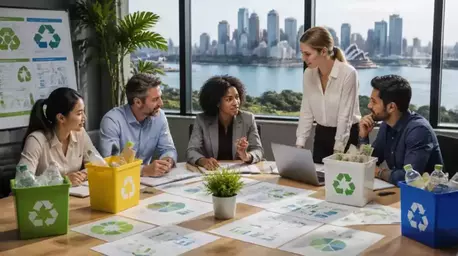
Community engagement plays a vital role in reducing landfill waste. By working together, we can achieve greater impact! At Sydney Junk Pros, we believe that local actions can lead to significant changes in our environment.
Getting involved in local recycling programs is a fantastic way to contribute. Many communities offer resources to help residents improve their recycling efforts. Here’s how you can participate:
Participating in these initiatives not only helps your community but also shows your commitment to environmental sustainability!
Utilizing local resources can enhance your knowledge about recycling. Here are some great ways to learn more:
By leveraging these resources, you’ll be able to stay informed and make smarter choices regarding waste management!
Joining community initiatives is an effective way to amplify your efforts. When we come together, our collective impact can be significantly greater! Here's how you can get involved:
As you engage with your community, you'll inspire others to join the movement toward a cleaner environment. It's all about working together for a common cause!
It’s time to take action! Together, we can make a difference in our communities and reduce landfill waste. At Sydney Junk Pros, we believe in the power of individual actions leading to collective change.
Sharing your recycling journey can motivate others to follow suit. Here’s how you can inspire those around you:
When we share our experiences, we can create a ripple effect that fosters a culture of sustainability.
Consider starting a community challenge focused on waste reduction! Here are some ideas to get started:
Challenges like these not only raise awareness but also create a sense of community and accountability!
Environmental advocacy is crucial in our efforts to reduce landfill waste. By discussing its importance, you can help others understand how their actions matter. Here are some key points:
As we advocate for change, we empower ourselves and our community to work toward a greener future!
Education is an ongoing journey, especially in the realm of recycling and waste management. Staying informed is key to making effective choices. At Sydney Junk Pros, we’re committed to promoting knowledge and sustainable practices. For more information on making eco-friendly choices, check out our guide on eco-friendly rubbish removal costs in Sydney.
There are numerous resources available for further learning. Here are some recommendations to keep you engaged:
By immersing yourself in these resources, you can continue to expand your knowledge and impact!
Keeping up-to-date with changes in recycling policies is essential. Here’s how you can stay informed:
By staying informed, you’ll always be ready to adapt and implement effective waste reduction strategies!
Engaging with educational campaigns is another way to contribute to waste management efforts. Consider these initiatives:
These campaigns not only educate but also inspire collective action within our communities, making a lasting impact! To further your understanding of waste management, you can explore insights on rubbish removal FAQs for Sydney.
Here is a quick recap of the important points discussed in the article:
Clara Thorne is an environmental advocate and waste management expert with over a decade of experience in the rubbish removal industry. She is dedicated to helping families, landlords, and businesses in Sydney maintain clean and sustainable spaces through efficient junk disposal practices. Clara champions responsible recycling and is committed to promoting eco-friendly cleanouts, ensuring a cleaner, greener community for all.
At Sydney Junk Pros, we are committed to providing eco-friendly rubbish removal services that empower families, landlords, and businesses to maintain clean, sustainable spaces. Our mission is to ensure efficient cleanouts while prioritizing environmental responsibility.
123 Eco Lane, Sydney