Conserves Natural Resources
Recycling helps save valuable resources like trees, water, and minerals.
Have you ever considered how a small change in your home can lead to a significant impact on the planet? Setting up a home recycling station not only promotes sustainability but also simplifies waste management for the whole family. Dive into the essential steps to create an effective recycling system and discover how you can contribute to a greener future!
Recycling at home comes with numerous benefits that extend beyond just reducing waste. Below are key advantages represented visually:
Recycling helps save valuable resources like trees, water, and minerals.
It takes less energy to recycle materials than to create new products from raw materials!
Participating in recycling can create conversations and actions around sustainability in your neighborhood.
Many recycling programs offer reduced waste disposal fees for households that recycle consistently.
Have you ever thought about how much waste your family produces? Setting up a home recycling station can help tackle this problem effectively! Not only does it promote sustainability, but it also simplifies waste management at home. Let’s dive into why having a recycling system is essential and how it benefits both our environment and our day-to-day lives. For more insights on efficient waste management, consider choosing junk removal methods that align with your recycling efforts.
Creating a home recycling system is more than just a trendy idea; it’s a vital step toward a greener future. By recycling at home, you can significantly reduce the amount of waste that ends up in landfills. This small action can have a big impact, making it easier to embrace eco-friendly living while teaching your family the importance of sustainability!
Recycling at home comes with numerous benefits that extend beyond just reducing waste. Here are some key advantages:
By recycling, we can take significant strides towards protecting our planet. Every item recycled means one less piece of rubbish in our landfills, helping to conserve space. Additionally, recycling reduces greenhouse gas emissions, contributing to a healthier atmosphere! It’s pretty amazing to think that small changes in our homes can lead to big benefits for our environment, especially when you consider recycling to reduce landfill waste in your local community.
Finding the right spot for your recycling station is crucial for encouraging regular use. A well-placed station can make recycling a seamless part of your daily routine. You’ll want to consider areas in your home where family members frequently gather, as this will ensure your recycling efforts are efficient.
When selecting a location, think about where most of your household activities take place. Here are a few tips to identify the best spot:
Living in a smaller space doesn’t mean you can’t have an efficient recycling station! It’s all about creativity and smart organization. Here are a few suggestions:
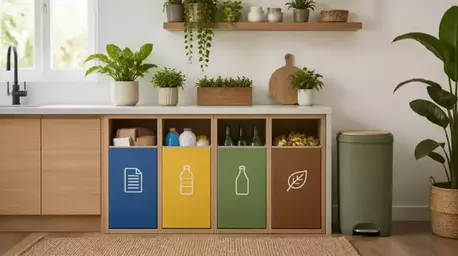
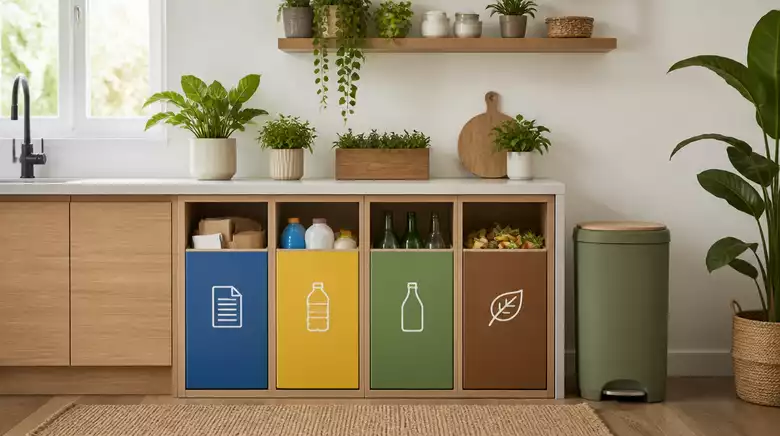
Choosing the right bins for your recycling station is key to keeping everything organized! You’ll want to ensure that each bin is clearly designated for different types of waste. Let’s explore the various types of bins you can use to support your recycling efforts.
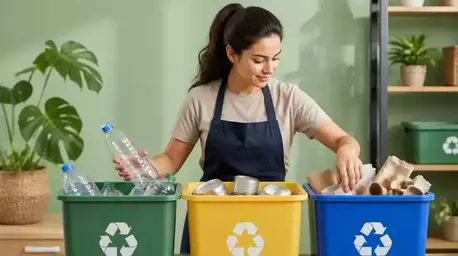
Here are some essential bins that should be part of your recycling station:
When selecting bins, consider the size based on the number of people in your household. Here are some guidelines:
Technology is making recycling even easier! Innovative bins and smart trash cans can enhance your recycling experience:
Once you’ve set up your recycling station, clear labeling is critical for success! This helps everyone in the home understand what goes where, making the recycling process smoother.
Labels should be simple and easy to read. Here are some tips for effective labeling:
If you want to create professional-looking labels, consider using printable templates. You can find various templates online that fit different bin sizes! Just print them out, cut them to size, and stick them on your bins.
Knowing what each recycling symbol means can enhance your recycling efforts. This knowledge can help you avoid contamination. Here are some common symbols to familiarize yourself with:
Each community has its own recycling rules, so it’s essential to understand what’s accepted in your area. This knowledge is vital for reducing contamination and ensuring your efforts are effective!
Start by checking your local council’s website for specific recycling guidelines. You’ll find information on:
Contamination is a significant issue that can spoil recycling efforts. Here are some common offenders to avoid:
Don’t hesitate to reach out to local recycling programs or initiatives! They can provide resources, tips, and even support for larger community clean-up events. At Sydney Junk Pros, we believe that working together towards a cleaner environment is essential, and we’re here to help if you need further guidance. For instance, understanding effective garden waste recycling tips can be a great starting point for community involvement.
Setting up your recycling station is just the beginning—keeping it maintained is key! Developing a routine will ensure that recycling becomes a natural part of your daily life. Here are some strategies to help you stay on track.
To keep your recycling station fresh and functional, it’s essential to establish a cleaning routine. Here’s a simple plan:
Here are some quick tips to help keep your recycling station tidy:
Every once in a while, it’s good to do a waste audit! This means reviewing what’s going in and out of your recycling station to identify patterns and areas for improvement. Here’s how to conduct a simple audit:
A: Setting up a home recycling station is crucial because it significantly reduces the amount of waste sent to landfills, conserves natural resources, reduces energy consumption, and promotes eco-friendly living within your household and community.
A: The best location is typically a high-traffic area where waste is frequently generated, such as the kitchen, garage, or utility room. For smaller homes, consider stackable bins, wall-mounted systems, or multi-purpose furniture to optimize space.
A: You should use clearly designated bins for recyclables (paper, plastics, metals), compost (food scraps, yard waste), and general trash. Consider the size based on your household's needs and explore innovative smart bins for enhanced sorting and monitoring.
A: Effective labeling is key. Use bold fonts, images, and color-coding for each bin to make sorting intuitive. Additionally, educate family members on local recycling rules and common symbols to avoid contamination. Involving everyone in the process fosters participation and responsibility.
A: Research your local council’s website for specific guidelines on accepted materials, pickup days, and special collection events. Be aware of common contaminants like food residue and plastic bags. Connecting with community recycling programs can also provide valuable resources and support.
In today’s digital age, technology can play a significant role in enhancing your recycling efforts! From apps to smart bins, there are plenty of innovative solutions to explore.
Several apps can help streamline your recycling process, offering reminders and guidelines:
Smart bins can take your recycling game to the next level! Here are some features you might consider:
Integrating smart home devices can make sustainable living even more accessible! Consider these options:
Let’s discuss what an efficient, smart recycling station looks like! A well-designed space not only looks good but also motivates family participation. Below are some design inspirations to consider.
Depending on your home layout, here are a few ideas:
Making your recycling station family-friendly can boost participation! Here are a few features to consider:
Finally, consider how to integrate smart home technology into your recycling station. This can include:
Here's a brief recap of the key points discussed so far:
Setting up a home recycling station is a big step towards a more sustainable lifestyle! It’s not just about collecting trash; it’s about making a change and contributing to a healthier planet. With the right strategies, you can create a system that works for you and your family.
As I reflect on the process of establishing these stations, I believe it’s essential to remember the key takeaways that will ensure your recycling efforts are successful. For instance, organizing your space effectively and choosing the right bins can make all the difference in maintaining a consistent recycling routine.
Creating a functional recycling station involves a few straightforward steps. Here’s a quick summary to help you get started:
By following this roadmap, you can ensure that your recycling station is not just a temporary setup but a long-lasting solution that supports eco-friendly practices. For more detailed information on setting up a new recycling system, consider reviewing how to start a home recycling program.
Investing time in a well-organized recycling system can yield significant long-term benefits. Not only does it reduce landfill waste, but it also promotes a culture of sustainability within your home. When you recycle effectively, you can:
These benefits contribute not just to your household but also to a larger movement of environmental responsibility!
Getting the whole family involved in recycling can be a fun and rewarding experience! It’s a great way to teach children about responsibility and caring for the environment. Here are some tips to engage everyone:
When everyone is involved, it fosters a sense of teamwork and shared responsibility that can lead to lasting habits.
To enhance your knowledge about recycling, there are plenty of resources available! Here are a few you might find helpful:
These resources will help you stay informed and motivated in your recycling journey. Remember, knowledge is power!
If you’re ready to take your commitment a step further, consider exploring a zero waste lifestyle. This approach encourages minimizing waste through:
By adopting these practices, not only will you contribute less to landfills, but you'll also inspire others around you to be more conscious of their waste! For more practical tips, explore how to reduce waste through better recycling.
Now that you’re armed with knowledge and inspiration, it’s time to take action! Here’s how you can kick-start your home recycling journey:
Taking these steps will set you on the right path to a more sustainable home!
Finally, I encourage you to share your recycling experiences with the Sydney Junk Pros community! Whether it’s victories, challenges, or innovative ideas, your insights can inspire others to make a change. Together, we can create a cleaner and greener environment for everyone!
Here is a quick recap of the important points discussed in the article:
Clara Thorne is an environmental advocate and waste management expert with over a decade of experience in the rubbish removal industry. She is dedicated to helping families, landlords, and businesses in Sydney maintain clean and sustainable spaces through efficient junk disposal practices. Clara champions responsible recycling and is committed to promoting eco-friendly cleanouts, ensuring a cleaner, greener community for all.
At Sydney Junk Pros, we are committed to providing eco-friendly rubbish removal services that empower families, landlords, and businesses to maintain clean, sustainable spaces. Our mission is to ensure efficient cleanouts while prioritizing environmental responsibility.
123 Eco Lane, Sydney