Building Your Garden Compost System
Composting is more than just a gardening task; it's a transformative practice that turns waste into valuable resources while nurturing the environment. With a focus on sustainability, you'll discover how easy it is to start composting at home and the profound benefits it brings to your garden and the planet.
What You Will Learn
- Composting is the natural process of recycling organic waste into nutrient-rich compost, essential for improving soil health.
- Creating a compost system can enhance soil quality, save money on fertilizers, and significantly reduce landfill waste.
- Successful composting requires a balance of green (nitrogen-rich) and brown (carbon-rich) materials, along with regular aeration and moisture monitoring.
- Maintaining a carbon-to-nitrogen ratio of about 30:1 is critical for efficient decomposition and producing high-quality compost.
- Composting contributes to environmental health by reducing greenhouse gases, conserving water, and promoting biodiversity.
- There are abundant resources available, such as books, community groups, and online forums, to support your composting journey.
Key Benefits of Composting for Your Garden and the Environment
Explore the significant advantages of establishing a compost system, showcasing the impact on both garden health and environmental sustainability. For those looking to manage waste efficiently, understanding the various junk removal methods can complement your composting efforts.
Improved Soil Quality
Compost enriches the soil with nutrients and helps maintain moisture levels, promoting healthier plant growth.
Cost-Effective Solution
Composting reduces the need for chemical fertilizers, ultimately saving money while being environmentally friendly.
Reducing Greenhouse Gases
Composting cuts down on methane emissions produced by decomposing waste in landfills, contributing to a healthier planet.
Enhancing Biodiversity
Compost supports a diverse range of microorganisms that contribute to healthy ecosystems, benefiting your garden and the environment.
Understanding the Basics of Composting at Home
Have you ever considered what happens to your garden waste? It can create a serious problem if not handled properly! Composting is a fantastic way to recycle this waste and turn it into something beneficial for your garden. By creating a compost system at home, you can reduce landfill waste and produce nutrient-rich soil for your plants.
What Is Composting and Why Is It Important for Garden Waste?
Composting is the natural process of breaking down organic matter, like food scraps and garden waste, into a valuable resource known as compost. This nutrient-rich material is essential for improving soil health and supporting plant growth. By composting, we not only manage our waste but also create a sustainable cycle that benefits our gardens!
Understanding the role of composting in managing garden waste can help you see it as an opportunity rather than a chore. Have you thought about how much organic waste your household produces? Each person generates significant waste that could be transformed into compost, reducing the burden on our landfills and giving back to nature. For more ideas on managing garden refuse, explore these effective garden waste recycling tips.
Benefits of Creating a Compost System for Your Garden
There are numerous benefits to starting your compost system at home! Here are some key reasons to consider:
- Improved Soil Quality: Compost enriches the soil with nutrients and helps maintain moisture levels.
- Cost-Effective: Composting reduces the need for chemical fertilizers, saving you money in the long run.
- Waste Reduction: Diverting organic waste from landfills minimizes methane emissions and lessens environmental impact.
- Microbial Activity: Compost introduces beneficial microorganisms that help plants thrive!
By creating a composting system, you not only enhance your gardening experience but also contribute to a healthier planet. It’s a win-win situation for you and the environment!
Environmental Benefits of Composting
Composting is not just about improving your garden; it has a profound impact on the environment, too. By composting, you're participating in a sustainable waste management solution that aids in:
- Reducing Greenhouse Gases: Composting cuts down on methane emissions produced by decomposing waste in landfills.
- Conserving Water: The organic matter in compost helps retain moisture in the soil, reducing the need for frequent watering.
- Enhancing Biodiversity: Compost supports a diverse range of microorganisms that contribute to healthy ecosystems.
When you choose to compost, you’re making a choice for a cleaner, greener future. Here at Sydney Junk Pros, we encourage everyone to think about how they can reduce waste and promote sustainability in their own backyards!
Pro Tip
Did you know? To enhance the efficiency of your composting process, consider adding a handful of garden soil or finished compost to your mix. This introduces beneficial microorganisms that accelerate decomposition, leading to richer compost faster!
Recap of Key Takeaways for Successful Composting
As we wrap up our journey into the world of composting, let's take a moment to highlight some essential steps to ensure your composting experience is fruitful and sustainable. Composting at home not only beautifies your garden but also contributes positively to our environment. Here are the key takeaways that will guide you along your composting adventure!
Essential Steps to Build and Maintain Your Compost System
Creating a compost system is a rewarding process! To build and maintain a successful compost setup, consider these essential steps:
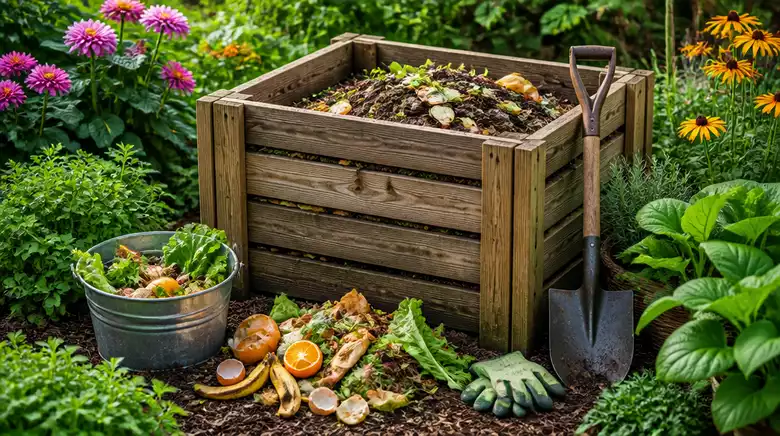
- Choose the right composting method (bin, bay, or pit) that fits your garden size.
- Gather the right materials, focusing on a good balance of green (nitrogen-rich) and brown (carbon-rich) components.
- Regularly aerate your compost by turning it to keep it active and prevent odor.
- Monitor moisture levels to maintain the right environment for decomposition.
- Harvest your compost when it becomes dark and crumbly, usually within a few months to a year.
By following these steps, you’ll create a vibrant compost system that benefits your garden and reduces waste in landfills. Remember, I’m always here at Sydney Junk Pros to help you with any questions or challenges you might face along the way!
Resources and Tools for Continuous Learning About Composting
Composting is a lifelong journey of learning, and luckily, there are plenty of resources out there to support you. Here are some fantastic tools and sources:
- Books and guides on home composting techniques.
- Online forums and community groups for sharing tips and experiences.
- Local workshops or classes focused on sustainability and composting.
- Websites such as the EPA and gardening blogs that offer up-to-date information.
As you dive deeper into composting, you’ll discover new techniques and tips that can enhance your gardening efforts. Don’t hesitate to join the conversation and learn from fellow eco-conscious gardeners!
Understanding the Carbon-to-Nitrogen Ratio for Compost Quality
One critical aspect of successful composting is maintaining an appropriate carbon-to-nitrogen (C:N) ratio. Understanding this ratio helps ensure that your compost decomposes efficiently. Ideally, aim for a ratio of about 30:1, carbon to nitrogen. Here are some tips to achieve this:
- Balance brown materials (like dried leaves and straw) with green materials (such as grass clippings and vegetable scraps).
- Use a mix of both to facilitate aeration and moisture retention, which are vital for the composting process.
- Adjust as needed to improve compost heat and speed up decomposition.
By managing the carbon-to-nitrogen ratio, you’ll produce high-quality compost that enriches your garden soil! As you continue along your composting path, keep this guideline in mind for optimal results.
Frequently Asked Questions About Composting
- What is the primary benefit of composting?
- The primary benefit of composting is transforming organic waste into nutrient-rich compost, which improves soil quality, reduces the need for chemical fertilizers, and significantly decreases landfill waste.
- What materials are needed for successful composting?
- Successful composting requires a balance of "green" (nitrogen-rich) materials like grass clippings and food scraps, and "brown" (carbon-rich) materials like dried leaves and straw. Regular aeration and moisture monitoring are also essential.
- What is the ideal carbon-to-nitrogen ratio for compost?
- The ideal carbon-to-nitrogen (C:N) ratio for efficient decomposition and high-quality compost is approximately 30:1 (carbon to nitrogen).
- How does composting help the environment?
- Composting helps the environment by reducing methane emissions from landfills, conserving water through improved soil moisture retention, and enhancing biodiversity by supporting beneficial microorganisms.
- How long does it take to produce usable compost?
- Compost typically becomes dark and crumbly, indicating it's ready for use, within a few months to a year, depending on the composting method and materials used.
Encouragement to Start Your Composting Journey
Now that you have a solid understanding of composting, I encourage you to take the plunge and create your own compost system! It’s an enriching experience that not only benefits your garden but also contributes positively to our environment. Remember, every small step counts!
Join the Community of Eco-Conscious Gardeners
Joining a community of like-minded gardeners can enhance your composting journey. Exchange ideas, share successes, and find support as you work toward more sustainable gardening practices. Consider connecting with local gardening clubs or online forums where you can engage with others who share your passion!
Share Your Composting Experiences and Tips
Finally, I’d love to hear about your composting experiences! Feel free to share tips, successes, or challenges you’ve faced. Your insights can inspire others to start their composting journeys, creating a ripple effect of sustainability in our communities. At Sydney Junk Pros, we’re all about fostering a cleaner and greener environment, and your stories contribute to that mission!
Recap of Key Points
Here is a quick recap of the important points discussed in the article:
- Understanding Composting: Composting is the natural process of breaking down organic matter into nutrient-rich compost, benefiting both gardens and the environment.
- Environmental Benefits: Composting reduces landfill waste, lowers greenhouse gas emissions, conserves water, and enhances biodiversity.
- Building a Compost System: Choose the right method, balance green and brown materials, aerate regularly, and monitor moisture levels for optimal composting.
- Carbon-to-Nitrogen Ratio: Maintain an ideal C:N ratio of 30:1 to ensure efficient compost decomposition and high-quality compost production.
- Continuous Learning: Utilize resources such as books, online forums, and local workshops to expand your composting knowledge and skills.