Recycling Cardboard and Paper Waste
As the world grapples with the challenges of waste management and environmental sustainability, understanding the importance of recycling cardboard and paper is more crucial than ever. Every piece of cardboard recycled contributes to a healthier planet, reducing landfill waste and conserving vital resources.
What You Will Learn
- Recycling cardboard and paper significantly reduces landfill volume, mitigating harmful environmental impacts.
- Every ton of recycled paper saves approximately 17 trees, emphasizing the conservation of our natural resources.
- Recycling practices can lead to lower disposal costs for businesses, enhancing their operational efficiency.
- Engaging communities with local policies and incentives is vital for fostering recycling habits and promoting sustainability.
- Recycling cardboard and paper helps reduce greenhouse gas emissions, making it a critical action in combating climate change.
- Implementing effective recycling programs at home and in businesses can significantly streamline waste management efforts.
- Understanding how to avoid contamination in recycling processes ensures better recycling outcomes and efficiency.
Key Benefits of Recycling Cardboard and Paper Waste
Recycling cardboard and paper offers numerous environmental and economic benefits. Below are some statistics that highlight the impact of recycling on our planet. For a comprehensive guide on various disposal methods, consider choosing junk removal methods that align with your sustainability goals.
Environmental Impact
- One ton of recycled paper saves approximately 17 trees.
- Recycling 10% more paper could prevent the loss of over 1 million acres of forest annually!
- Recycling one ton of paper can save up to 7,000 gallons of water.
Economic Benefits
- Lower disposal costs from reduced waste volume.
- Recyclable materials can generate revenue when sold.
- Improved operational efficiency through waste reduction.
Energy Conservation
- Recycling cardboard uses 60% less energy compared to new production.
- Less energy consumption translates to fewer carbon emissions.
Pollution Reduction
- Recycling reduces methane emissions from landfills.
- Less need for incineration decreases air pollution.
The Importance of Recycling Cardboard and Paper Waste: An Overview
Recycling cardboard and paper waste is an essential practice that significantly benefits our environment. As the owner of Sydney Junk Pros, I've seen firsthand the challenges our community faces with waste management. By understanding the importance of recycling, we can all make a positive impact on our planet and contribute to a cleaner, greener Sydney!
In this article, we’ll explore the environmental, economic, and natural resource conservation benefits of recycling cardboard and paper waste. With simple steps, anyone can join the movement and help reduce the amount of waste going into our landfills.
Understanding the Environmental Impact of Cardboard and Paper Waste
Cardboard and paper waste significantly contribute to landfill accumulation, which poses a serious environmental issue. When these materials are sent to landfills, they can take years to decompose, releasing harmful gases in the process. Here’s how recycling can help:
- Reduces landfill volume by diverting materials from waste streams.
- Decreases the need for new landfills, preserving natural spaces.
- Minimizes pollution from waste decomposition.
By recycling cardboard and paper, we can take a substantial step towards reducing landfill accumulation and creating a healthier environment for future generations. At Sydney Junk Pros, we’re committed to promoting eco-friendly disposal practices that support our community, including effective strategies for garden waste recycling.
How Recycling Reduces Landfill Accumulation
The process of recycling cardboard and paper begins by collecting these materials, which can then be transformed into new products. When we recycle, we help lower the demand for raw materials, which often leads to deforestation. This is why it's crucial to integrate recycling into our daily routines!
Recycling not only eases the burden on landfills but also requires less energy compared to producing new paper products, making it a win-win for everyone involved. The benefits are clear, so let’s commit to recycling more!
Cutting Down on Greenhouse Gas Emissions: The Role of Cardboard Recycling
Did you know that recycling cardboard and paper can significantly reduce greenhouse gas emissions? When we recycle, we lessen the need for incineration and landfill disposal, both of which contribute to harmful emissions. Here’s how:
- Recycling cardboard and paper decreases methane emissions from landfills.
- Using recycled materials reduces energy consumption compared to new production.
- Lower energy use means fewer carbon emissions from power plants.
Every small action we take can lead to big changes! By committing to recycling, we can all help combat climate change and protect our planet.
Economic Benefits of Recycling Cardboard and Paper
Recycling cardboard and paper waste also brings numerous economic advantages, especially for businesses. As a company focused on waste management, we see how recycling can lead to lower costs and improve sustainability.
Essentially, recycling cardboard not only supports the environment but also enhances efficiency within businesses. Let’s take a closer look at the economic benefits.
Lower Disposal Costs: A Financial Advantage for Businesses
For many businesses, waste disposal can be a significant expense. However, by recycling cardboard and paper, companies can enjoy lower disposal costs. Here’s how:
- Reduced waste volume leads to fewer collection fees.
- Recyclable materials can generate revenue when sold to recycling companies.
- Waste reduction can improve operational efficiency and streamline processes.
At Sydney Junk Pros, we encourage businesses to adopt recycling practices to not only reduce costs but also promote sustainability in their operations! For insights on managing overall waste expenses, explore our guide on junk removal costs in Sydney.
Contributing to the Circular Economy through Cardboard Recycling
The circular economy aims to minimize waste and make the most of resources. By recycling cardboard and paper, businesses play a pivotal role in this process. Here are some key points about how recycling contributes:
- Products can be made from recycled materials, reducing the need for virgin resources.
- Encourages the development of recycling markets and technologies.
- Supports a sustainable economy that prioritizes resource efficiency.
As we work together in Sydney, we can create a thriving circular economy that benefits everyone.
Exploring the Economic Benefits of Recycled Products
By choosing recycled products, businesses and consumers can help stimulate demand for recycled materials. This can lead to:
- Lower production costs for manufacturers utilizing recycled materials.
- Increased job opportunities in the recycling and manufacturing sectors.
- A boost to local economies through sustainable practices.
It’s a cycle of benefits that encourages more efficient use of resources. By supporting recycling efforts, we can foster economic growth while protecting our environment!
Conservation of Natural Resources Through Recycling
Recycling cardboard and paper waste is not just beneficial for waste management; it's a powerful way to conserve our natural resources. Every recycled ton can make a huge difference!
Let’s delve into the conservation benefits of recycling and understand how it preserves our valuable resources.
Saving Trees: The Numbers Behind Cardboard and Paper Recycling
Recycling cardboard and paper helps save countless trees, which are vital for our ecosystem. Here are some eye-opening statistics:
- One ton of recycled paper can save approximately 17 trees.
- Recycling just 10% more paper could prevent the loss of over 1 million acres of forest annually!
- Recycling fibers can be done up to seven times before they lose quality.
At Sydney Junk Pros, we believe that saving trees is a crucial part of our mission to create a cleaner and greener Sydney.
Water and Energy Conservation: Key Statistics to Consider
Recycling cardboard and paper not only saves trees but also conserves water and energy resources. For example:
- Recycling one ton of paper can save up to 7,000 gallons of water.
- It typically uses 60% less energy compared to producing new paper from raw materials.
Every little bit counts, and by recycling, we can all contribute to conserving our precious resources!
The Role of Renewable Resources in Sustainable Practices
Utilizing recycled materials supports the use of renewable resources, making our waste management processes more sustainable. Here are a few key points:
- Recycling helps close the loop between production and consumption.
- Encourages companies to seek out sustainable practices in their supply chains.
- Promotes a greater reliance on renewable resources for manufacturing.
As we embrace these practices, we can ensure a brighter, more sustainable future for our planet and our communities.
The Practical Steps for Recycling Cardboard and Paper Waste
Now that we’ve explored the importance of recycling, let’s discuss how to take action. Setting up a recycling program is easier than you might think!
In the following sections, we’ll cover practical steps for both households and businesses to ensure effective recycling of cardboard and paper waste.
How to Set Up a Recycling Program at Home
Creating a recycling program at home can make a substantial difference in your waste management. Here are some simple steps:
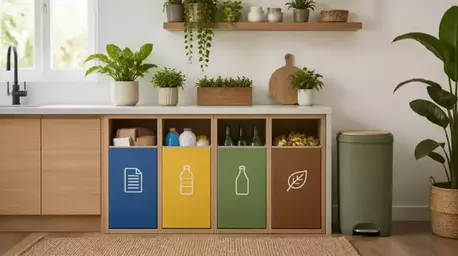
- Designate a space for recycling within your home.
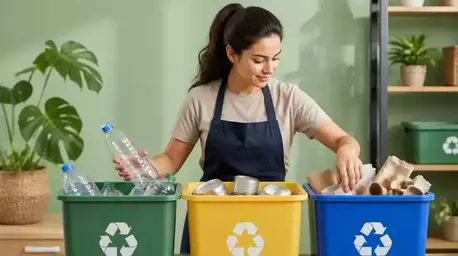
- Collect cardboard and paper in separate bins for easy sorting.
- Research local recycling guidelines to ensure you’re following best practices.
When everyone in the family participates, it becomes a fun and engaging activity that benefits us all!
Guidelines for Businesses to Optimize Cardboard and Paper Recycling
Businesses can also implement effective recycling programs by following these guidelines:
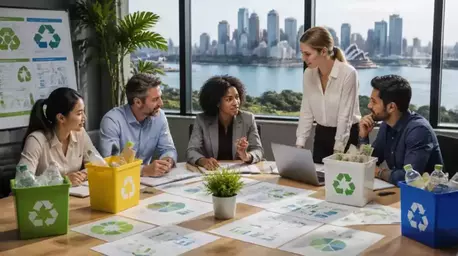
- Conduct a waste audit to identify recyclable materials.
- Establish clear recycling bins for easy sorting and access.
- Educate employees on proper recycling practices and the benefits of participation.
By taking these steps, businesses can significantly reduce waste and promote sustainability in their operations!
Implementing Effective Waste Sorting Techniques
Proper waste sorting is essential for successful recycling. Here’s how to implement effective sorting techniques:
- Clearly label recycling bins to differentiate between cardboard, paper, and other materials.
- Encourage the removal of contaminants, such as food residue, from recyclable items.
- Regularly educate and remind everyone about best practices for waste sorting.
Implementing these techniques can streamline the recycling process and enhance the efficiency of your efforts!
Comparing Cardboard Recycling to Other Waste Types
Recycling cardboard and paper waste offers unique benefits compared to other types of waste. Understanding these differences can help us appreciate the importance of recycling more!
In the following sections, we’ll delve into the comparisons between cardboard and other common waste materials.
Cardboard vs. Plastic: Long-term Environmental Effects
While both cardboard and plastic are recyclable, cardboard offers significant environmental advantages. Consider these points:
- Cardboard decomposes more quickly than plastic, reducing landfill impact.
- Recycling cardboard requires less energy compared to plastic recycling.
- Cardboard is biodegradable, while plastic can take hundreds of years to break down.
By prioritizing cardboard recycling, we can foster a healthier environment for all!
Cardboard Recycling: Understanding Fiber Degradation and Its Implications
Cardboard recycling is limited by fiber degradation, which can affect the quality of recycled products. Here are some insights:
- Each time cardboard is recycled, the fibers shorten, affecting strength.
- Recycled cardboard can generally be reused about seven times.
- Using high-quality cardboard for recycling helps extend its lifespan.
As we continue to recycle, it's vital to understand these implications and promote practices that enhance fiber quality!
Waste Diversion Strategies: The Role of Composting and Upcycling
While recycling is crucial, integrating composting and upcycling can further enhance waste diversion strategies. Consider these options:
- Composting organic materials reduces landfill volume and enriches soil.
- Upcycling cardboard into functional items can extend its life and creativity.
- Combining efforts can create a more comprehensive waste management approach.
By exploring these strategies, we can maximize our efforts in reducing waste and protecting our environment!
Quick Summary
Here's a brief recap of the key points discussed so far:
- Recycling cardboard and paper waste significantly reduces landfill accumulation and greenhouse gas emissions.
- Implementing recycling programs can lead to economic advantages for businesses, including lower disposal costs.
- Conserving natural resources, such as trees and water, is a critical benefit of recycling.
- Community engagement and local policies are vital for promoting effective recycling initiatives.
Engaging with the Community: How Local Policies Influence Recycling
Recycling is not just an individual effort; it thrives on community support and local policies. At Sydney Junk Pros, I’ve witnessed firsthand how effective recycling initiatives can change the landscape of waste management. Local governments play a key role in shaping the recycling habits of residents and businesses by implementing policies that encourage participation and provide resources.
Incentives such as tax breaks, subsidies for recycling programs, or community awareness campaigns can motivate people to recycle more cardboard and paper. These policies not only facilitate increased recycling rates, but they also foster a culture of sustainability. It’s exciting to see communities come together, driven by these initiatives, to make a real difference.
Incentives for Recycling Cardboard and Paper at the Local Level
Communities can benefit immensely from local government incentives designed to promote recycling. Some common incentives include:
- Financial Incentives: Tax reductions or rebates for businesses that commit to recycling.
- Free Educational Resources: Workshops and materials on best practices for recycling cardboard and paper.
- Accessibility Improvements: More recycling bins in public spaces and neighborhoods to encourage participation.
- Community Challenges: Friendly competitions among neighborhoods to see which can recycle the most.
These incentives can significantly boost community involvement in sustainable practices. When residents see tangible benefits, they are more likely to engage in recycling efforts wholeheartedly.
Case Studies: Successful Community Recycling Initiatives
Across Sydney, various communities have implemented recycling programs that serve as stellar examples of how to make a positive impact. Here are a few noteworthy initiatives:
- Community Clean-Up Days: Organized events where residents gather to clean up local parks while promoting recycling practices.
- School Programs: Collaborations with schools to teach students the importance of recycling, where kids take their knowledge home and inspire their families.
- Neighborhood Recycling Challenges: Initiatives that engage residents in friendly competitions to see who can recycle the most over a month or year.
- Partnerships with Local Businesses: Collaborating with businesses to create recycling drop-off points for excess cardboard and paper.
Seeing these initiatives unfold demonstrates the power of community and how they can lead to a more sustainable future. For ways to manage waste affordably, consider these budget-friendly rubbish removal tips.
Role of Non-Profit Organizations in Promoting Community Engagement
Non-profit organizations play a vital role in driving community engagement for recycling. They often serve as connectors between local governments and residents, providing education and resources. For example, they might organize workshops that inform the public about:
- The benefits of recycling cardboard and paper.
- Easy ways to incorporate recycling into daily life.
- How to reduce contamination in recycling bins.
By fostering relationships among community members, these organizations empower individuals to take action and promote sustainable practices.
Government Policies and Environmental Regulations: Impact on Recycling Practices
Government policies and regulations are crucial in shaping recycling behaviors. Policies that target waste reduction and recycling can include:
- Mandatory Recycling Laws: Requiring households and businesses to recycle specific materials, including cardboard and paper.
- Landfill Bans: Prohibiting certain materials from entering landfills, thus encouraging recycling.
- Funding for Recycling Programs: Allocating financial resources to improve local recycling infrastructure.
These regulations can significantly enhance community recycling efforts, leading to more sustainable waste management practices.
Taking Action: How You Can Contribute to Cardboard and Paper Recycling
Making a difference starts with small personal actions. At Sydney Junk Pros, we believe that everyone has a role in promoting recycling, especially for cardboard and paper waste. Here’s how you can contribute:
FAQs: Common Questions About Recycling Cardboard and Paper
Let’s clear up some common questions about recycling cardboard and paper to help you get started!
What Can Be Recycled Alongside Cardboard and Paper?
When sorting your recycling, it’s helpful to know what can be included. Items that can typically be recycled alongside cardboard and paper include:
- Newspapers
- Magazines
- Office paper
- Cardboard boxes (flattened and cleaned)
Always check local guidelines, as some regions may have specific rules on what can be accepted. For instance, understanding affordable e-waste recycling in Sydney can help ensure all types of waste are handled responsibly.
How to Avoid Contamination in Cardboard Recycling
Contamination can spoil entire batches of recyclables. Here are some tips to keep your cardboard and paper clean:
- Remove food residue and liquids from cardboard boxes.
- Avoid recycling cardboard that is wet or greasy.
- Keep paper items dry and free from non-recyclable materials.
By taking these precautions, you help ensure that your recycling efforts are effective!
Understanding Recyclability and the Importance of Eco-Friendly Practices
Understanding what can be recycled is crucial for effective waste management. This knowledge not only minimizes waste but also promotes eco-friendly practices. I encourage everyone to stay informed about local recycling guidelines and to participate in community initiatives. It’s all about making informed choices that positively impact our planet!
FAQs about Cardboard and Paper Recycling
Here are some frequently asked questions to help deepen your understanding of cardboard and paper recycling:
- Why is recycling cardboard and paper important?
Recycling cardboard and paper is crucial because it significantly reduces landfill waste, conserves natural resources like trees and water, lowers energy consumption, and decreases greenhouse gas emissions. It contributes to a healthier environment and a more sustainable economy. - How does recycling cardboard benefit the environment?
Recycling cardboard reduces the need for new raw materials, which saves trees and prevents deforestation. It also saves thousands of gallons of water and uses significantly less energy compared to producing new cardboard. This leads to fewer carbon emissions and less pollution from landfills. - What are the economic benefits of recycling cardboard and paper for businesses?
Businesses can experience lower waste disposal costs due to reduced landfill volume. Additionally, recyclable materials can sometimes be sold for revenue, and improved operational efficiency results from better waste management practices. - What are the practical steps to set up a recycling program at home?
To set up a home recycling program, designate a specific area for recycling, use separate bins for different materials like cardboard and paper, and research your local recycling guidelines to ensure proper sorting and acceptance. - How can contamination in cardboard recycling be avoided?
To avoid contamination, always remove food residue and liquids from cardboard boxes. Ensure cardboard is dry and free from grease. Similarly, keep paper items dry and separate from non-recyclable materials. - What is the role of local policies in promoting recycling?
Local policies and incentives, such as tax breaks, educational resources, improved accessibility to recycling bins, and community challenges, are vital in encouraging residents and businesses to participate in recycling, thereby fostering a culture of sustainability. - How many times can cardboard be recycled?
Cardboard fibers can generally be recycled up to seven times before they degrade too much to be used effectively in new products. Using high-quality cardboard initially helps extend its recyclable lifespan.
Conclusion: The Shared Responsibility of Recycling for a Sustainable Future
As we wrap up, it’s clear that recycling cardboard and paper is a collective effort that requires participation from all of us. At Sydney Junk Pros, I am dedicated to helping our community engage with sustainable practices. Together, we can create a cleaner, greener Sydney!
Encouraging Consumers to Participate in Cardboard and Paper Recycling
Let’s inspire each other to take action! Whether it’s at home or in the workplace, every small effort counts. Remember to spread the word about the benefits of recycling!
Final Thoughts on the Importance of Recycling Cardboard and Paper Waste
Recycling isn’t just about reducing waste; it’s also about creating a sustainable future for generations to come. By prioritizing cardboard and paper recycling, we make a significant impact on the environment.
Corporate Responsibility and the Role of Eco-Conscious Consumers
Businesses and consumers alike must embrace eco-conscious choices. Let’s work together to build a culture of sustainability through responsible recycling practices! For information on keeping your business premises tidy, explore options for affordable rubbish removal in Sydney.
Recap of Key Points
Here is a quick recap of the important points discussed in the article:
- Recycling cardboard and paper significantly reduces landfill volume and minimizes environmental pollution.
- Recycling can lower greenhouse gas emissions, helping to combat climate change.
- Businesses can benefit economically from recycling through reduced disposal costs and improved operational efficiency.
- Recycling conserves natural resources, saving trees, water, and energy.
- Effective recycling programs can be established at home and in businesses by following simple guidelines.
- Community engagement and local policies significantly influence recycling behaviors and participation rates.
- Maintaining clean recycling practices is crucial to prevent contamination and ensure effective recycling outcomes.